What you need to know
Battery life varies by model and usage. Bond Touch describes up to four days for its fourth-generation bracelet under a particular daily touch pattern, while Totwoo lists roughly three to five days for a specified Candy Duo model. These are manufacturer estimates, not independent comparative tests. Plan to recharge before the battery is completely depleted.
What the stated duration represents
Battery life is a useful shopping specification only if you understand the conditions behind it. Bond Touch provides a reference usage pattern for its fourth-generation estimate, involving approximately twenty touches each day. Totwoo's Candy Duo specification gives a range and explicitly recognises that settings and usage influence the outcome. A claim of several days is not a guarantee that every owner will reach that number.
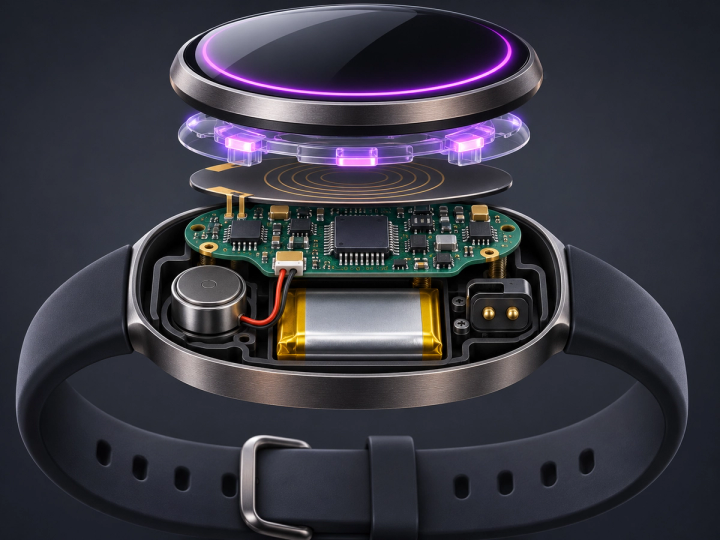
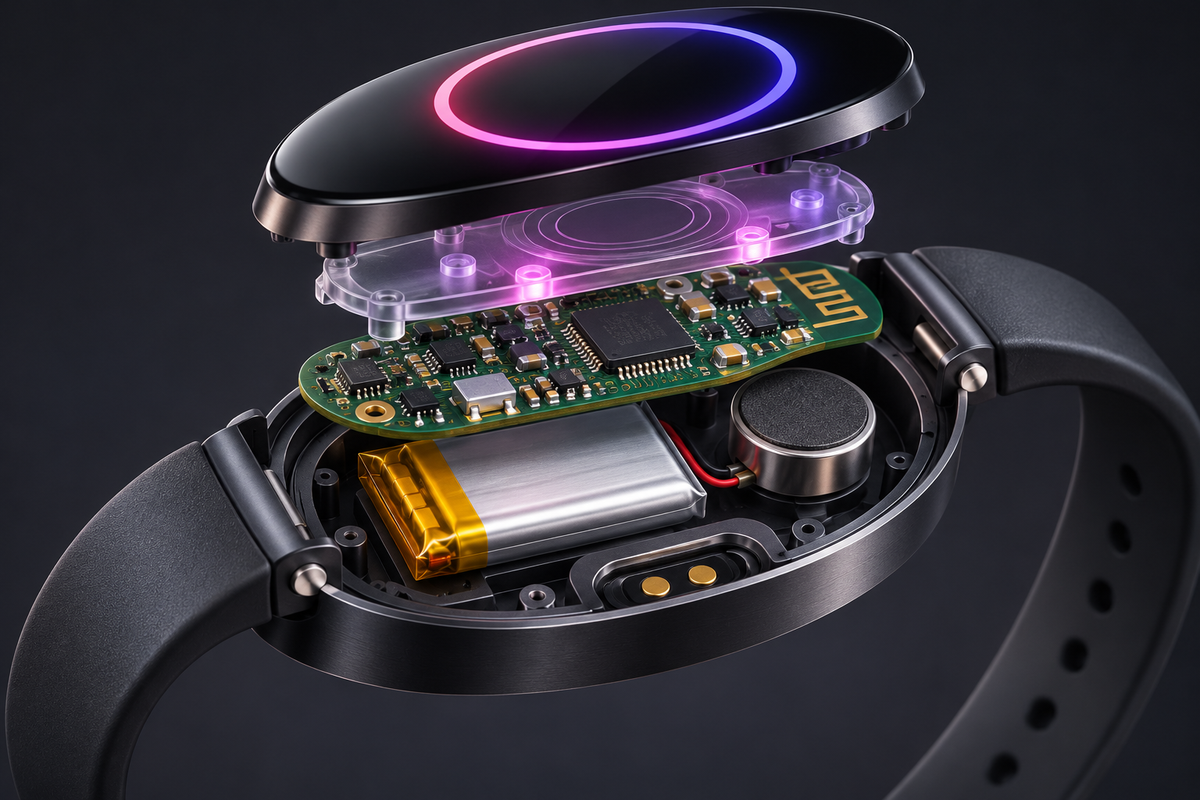
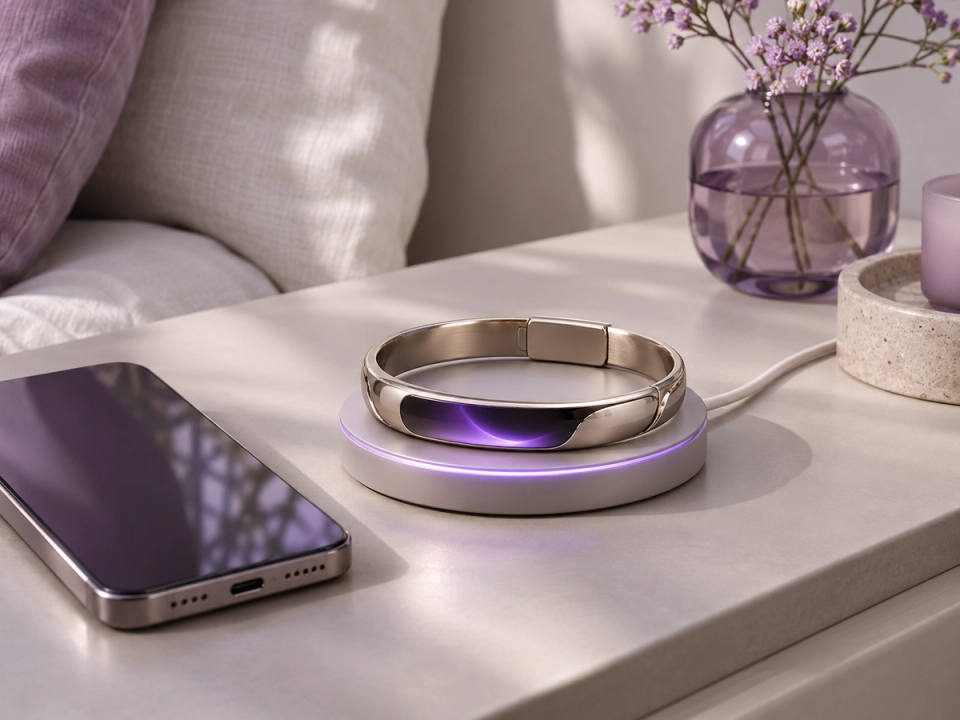
The models may use different physical outputs and software behaviour. A small illuminated cue, a long vibration and time spent maintaining a wireless connection consume power in different ways. The duration of a particular signal matters as well as the number of events. If one person receives or sends far more touches than the other, there is no reason to expect their bracelets to reach a low battery state on the same day. The battery and charging pillar explains the wider power considerations, including the phone and charger.
Compare model estimates carefully
The fourth-generation Bond Touch, the smaller Mini and the various Totwoo collections should be treated as separate models rather than as interchangeable products. Bond Touch's Mini support gives a typical seven-to-ten-day estimate; that different duration does not establish that it offers exactly the same features as the fourth-generation model. Its physical signalling behaviour and pairing options differ. Likewise, a Candy Duo specification should not be attributed to every Totwoo design.
Before choosing, ask what you would give up in exchange for fewer charging sessions. A simple wearable with fewer functions could suit your routine, while another owner might prefer a larger selection of patterns. Check whether a model comes as a pair or single unit, and whether both people will have the appropriate charging accessories. The Bond Touch 4 review and Totwoo review offer additional consumer context without turning manufacturer estimates into measured results.
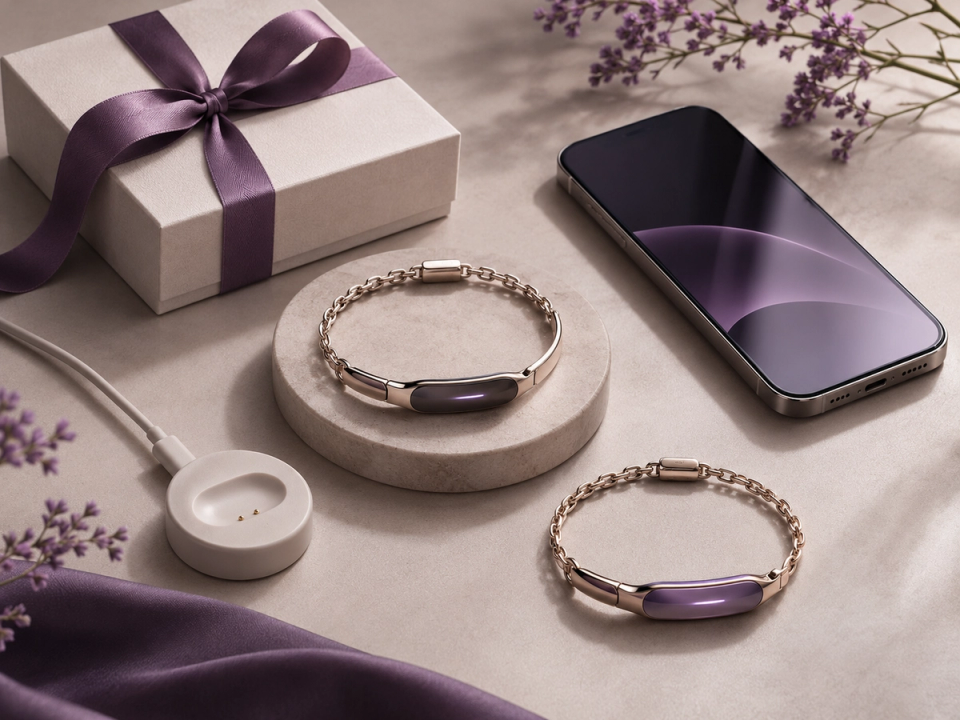
Relevant connected jewellery examples
We may earn a commission through affiliate links. These examples are based on manufacturer and feed information, not hands-on tests. Check current availability and compatibility.

Bond Touch 4 — Black (single bracelet)
Fourth-generation touch module with pattern-based signalling. One bracelet; verify partner device and app requirements.
Check price at Bond Touch
Totwoo Candy Original Touch Bracelets — Black + Pink
Two-bracelet set with the Totwoo companion app. Manufacturer lists light and vibration signals, Bluetooth connectivity and rechargeable batteries.
Check price at TotwooTrack your own battery experience
Charge your bracelet according to its instructions, note the approximate starting level, and wear it as you normally would. Record when it reports a low charge, along with unusual activities such as a long series of touches or travel. Repeat the observation for a few charging cycles. A single day is not enough to distinguish a routine from an unusual event. You do not need to deliberately run the cell flat to learn when a top-up is useful.
Compare the experience with your own previous use rather than a stranger's reported duration. Keep the phone's battery level separate from the bracelet's. If an app shows a surprising percentage, check whether the information has refreshed after the wearable reconnects. A stale display can appear to indicate a battery problem even when the device is still functioning normally.
When the duration changes suddenly
A gradual decrease in useful operating time can be consistent with battery ageing, but a sudden change is worth investigating. Check whether the charging accessory is seated correctly, whether the manufacturer reports a software issue, and whether your routine has recently changed. Note the model, approximate age and actual behaviour before contacting support. Avoid opening a sealed device or experimenting with unsuitable chargers.
Build a charging routine that suits both people. If one bracelet lasts longer than the other, use separate schedules instead of assuming they must be charged together. Charge while you are already taking the device off, for example during an activity where jewellery is impractical. Have another way to communicate during charging periods. Even a bracelet with excellent battery life can be temporarily unavailable because the phone is disconnected. A realistic estimate should help you plan, not create anxiety about a missed signal.
Frequently asked questions
Does more frequent use reduce battery life?
It can; the effect depends on the model, duration of outputs and settings.
Are the manufacturer's numbers guaranteed?
No. They are estimates under stated or typical conditions, not independently measured results for your routine.
Manufacturer sources
Touch Bracelet Technology Library
Complete guide
Main guides
- How Do Long-Distance Touch Bracelets Work?
- Touch Bracelet Connectivity and Distance Explained
- Touch Bracelet Battery Life and Charging Guide
- Touch Bracelet Features and Smartphone Compatibility
Supporting guides
- How Do Touch Bracelets Send Vibrations?
- How Do Touch Bracelets Light Up?
- Do Touch Bracelets Work Without a Phone?
- Do Touch Bracelets Work Without Internet?
- How Far Apart Can Touch Bracelets Work?
- Do Touch Bracelets Work in Different Countries?
- How Bluetooth Works in Touch Bracelets
- How Long Does It Take to Charge a Touch Bracelet?
- Can You Replace a Touch Bracelet Battery?
- Are Touch Bracelets Waterproof?
- Do Touch Bracelets Work With iPhone and Android?
- Can You Connect More Than Two Touch Bracelets?
- Can Different Brands of Touch Bracelets Connect to Each Other?