A digital locket is flexible; a traditional one is independent
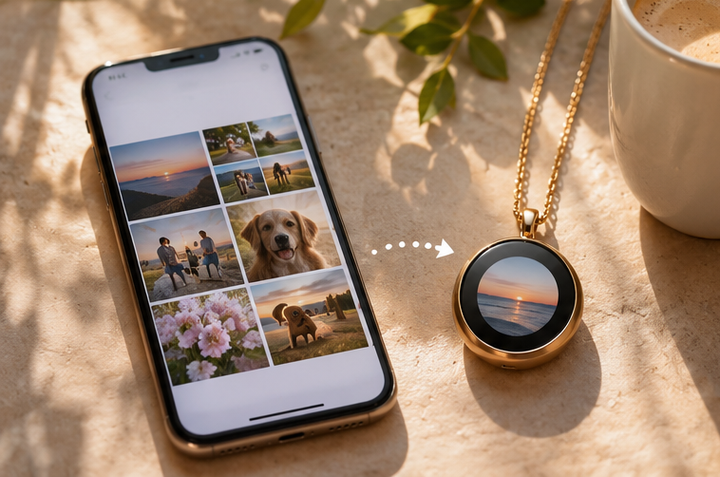
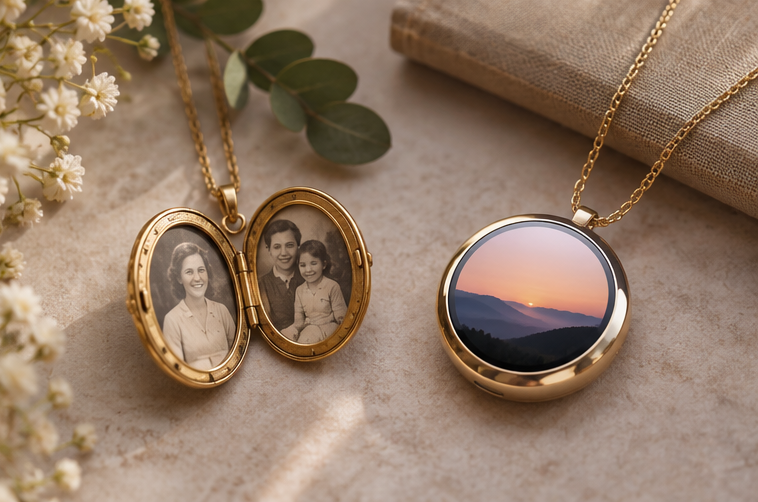
A traditional photo locket keeps a printed image behind a protective cover. A smart locket adds a display and electronic media transfer, so the owner can change what they see without replacing a physical print. The best choice depends on whether you value long-term simplicity or the freedom to refresh a small collection of memories.
Compare the actual experience
Opening a conventional locket reveals the same photograph each time. That consistency can be especially meaningful when the picture marks a specific occasion or represents somebody who is no longer alive. A digital model lets the owner select a different photograph after a trip, a birthday or a new family event. It can also offer a sequence rather than a single image. The Totwoo Tree of Life AI Smart Locket: Features, Benefits and Limitations describes a current example of the latter. Neither format makes the picture more meaningful by itself. If one carefully chosen photograph is all the wearer wants, a conventional locket may actually provide a more satisfying experience than one requiring several steps to manage.
What is inside the pendant?
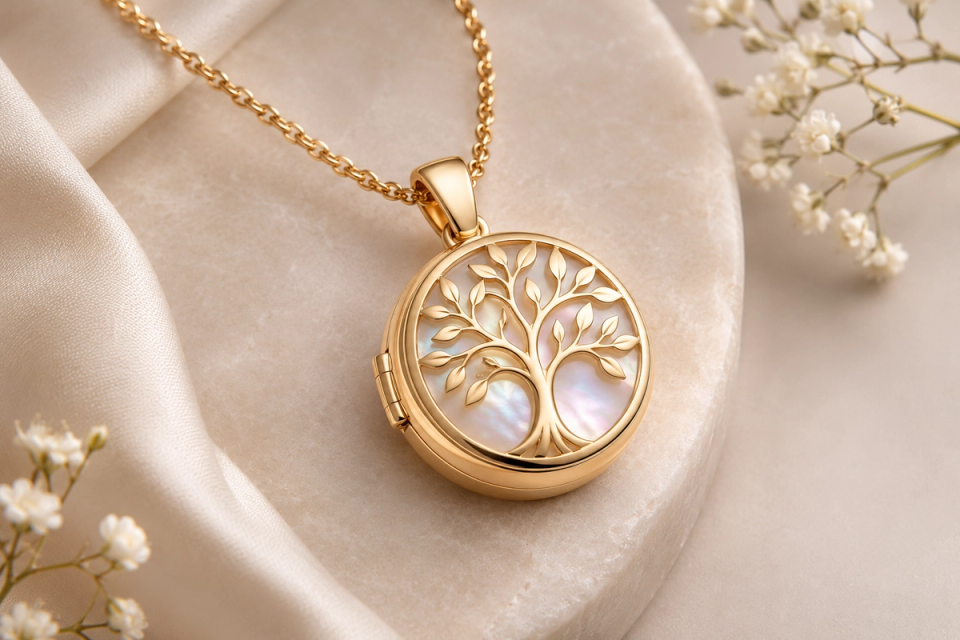
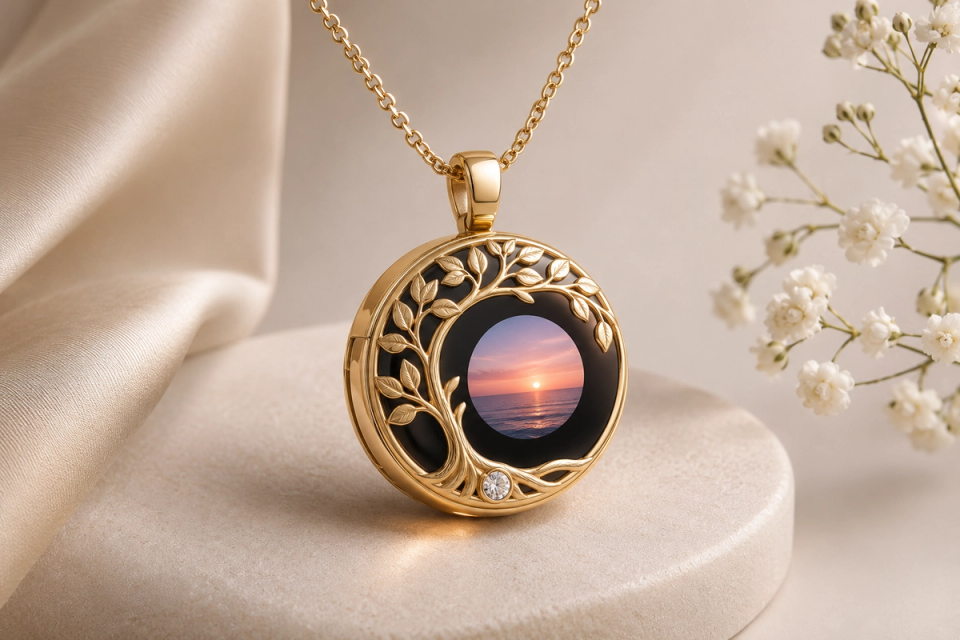
A traditional piece usually contains a small printed image, held behind a frame or transparent insert. When selecting one, ask about the usable photo dimensions rather than the outside measurements. A smart pendant includes electronics, a battery and a viewing area, making its thickness and weight particularly relevant. Manufacturers may present both formats using close-up photographs that conceal their scale. Compare the dimensions against jewellery already in your collection. A chain that sits comfortably under normal clothing is important for either format; a heavy pendant might swing or feel distracting when walking.
Maintenance is the biggest practical difference
A conventional locket can require polishing, careful cleaning and occasional attention to its hinge or clasp. The photograph may eventually fade if exposed to light or moisture. A digital locket introduces additional maintenance: it must be charged, and changing its content may depend on an app that is compatible with your phone. The Smart Locket Setup, Maintenance and Troubleshooting discusses that ownership routine. Consider which task you are more willing to repeat. Printing and trimming a photograph once a year is very different from periodically charging a pendant, especially if you own several other electronic accessories.
Relevant Totwoo lockets
We may earn a commission through affiliate links. Product information is based on the merchant's specifications and catalogue, not hands-on testing. Check current price, availability and exact configuration at Totwoo.

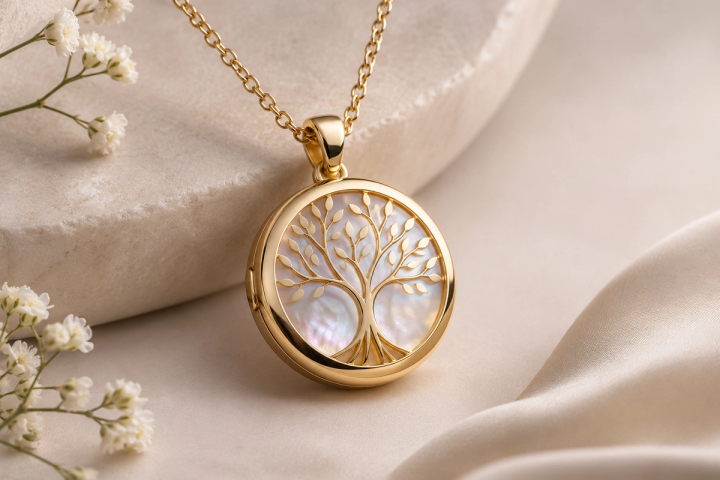
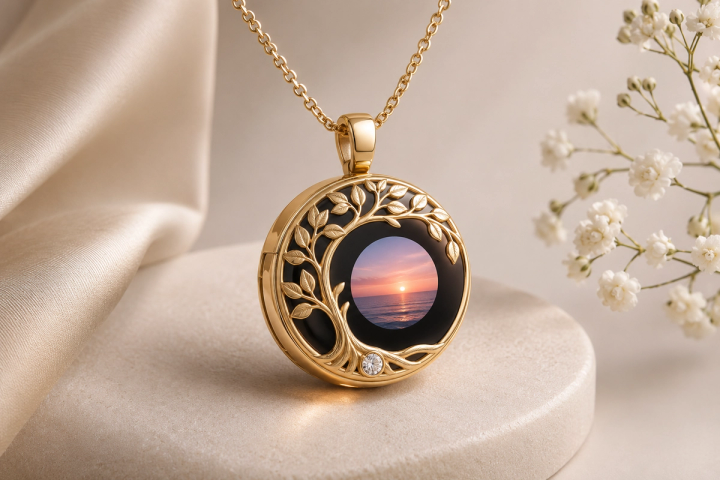
Tree of Life AI Smart Locket
Gold edition of the Tree of Life memory pendant; the merchant describes a gold-plated brass construction.
Check price at TotwooPrivacy and sharing
A physical locket can be opened by anyone who has it in their hand unless it has an actual locking mechanism. A smart locket is not necessarily more private simply because it has electronics. There may be account controls associated with its companion app, but the display itself could still be visible to somebody who opens it. Review the model's actual controls rather than guessing. When gifting either format, choose an image that the recipient is comfortable carrying publicly. A candid photograph can be meaningful without being an intimate or sensitive image.
Think about the next ten years
Traditional jewellery has a strong advantage when the aim is to pass something down through a family. A replacement photograph can be made from an existing print or digital file without needing a manufacturer's current software. Smart jewellery can provide a richer viewing experience today, but its eventual usability depends on the life of its hardware and software. No consumer electronics purchase should be treated as a guarantee of lifetime access to memories. Keep original media elsewhere and consider an additional printed copy if preserving the moment for the future is especially important. For a non-electronic option, explore meaningful jewellery and personalised keepsakes.
A practical decision
Choose a traditional locket if you want a durable, low-maintenance object carrying a single image. Choose a digital option if you genuinely expect to change the selection, use a video feature or enjoy a short slideshow. For gifts, ask whether the recipient would rather receive something that is ready to wear indefinitely or something they can personalise over time. The Smart Lockets: The Complete Guide explores other situations where a smart locket is a useful addition rather than a replacement for existing keepsakes. For a third option beyond these two locket types, compare wearable heartbeat and touch functions in the connected necklaces guide.
Frequently asked questions
Can a traditional locket display video?
No; an ordinary photo compartment holds a physical picture. Digital playback requires a device designed for it.
Which is better for an heirloom?
A conventional locket has fewer technology dependencies; a smart version may be more enjoyable for current use.
Sources
Smart Lockets Library
Complete guide
Main guides
- Totwoo Tree of Life AI Smart Locket: Features, Benefits and Limitations
- How Smart Lockets Work: Photos, Videos and AI Memories
- Smart Lockets as Meaningful Personalised Gifts
- Smart Locket Setup, Maintenance and Troubleshooting
Supporting guides
- Totwoo Smart Locket: Gold vs Silver
- Digital Photo Lockets vs Heartbeat Necklaces
- How AI Moving Memories Bring Photos to Life
- How to Upload Photos and Videos to a Smart Locket
- Do Smart Lockets Work Without Internet?
- Smart Locket Privacy and Personal Photo Security
- Smart Lockets for Long-Distance Relationships
- Smart Lockets for Mothers and Grandmothers
- Smart Memorial Lockets for Remembering Loved Ones
- Smart Lockets for Remembering Pets
- Smart Locket Battery Life and Charging Guide
- Smart Locket Not Connecting: Bluetooth and App Troubleshooting
- Are Smart Lockets Waterproof? Everyday Care and Protection