AI animation is created movement, not restored footage
An AI moving memory uses a still image as input and synthesises motion that appears to bring the subject to life. The resulting clip can be striking, but it does not reveal what actually happened before or after the original photograph. Treat it as a creative interpretation, particularly when working with photographs of people who cannot give permission.
Understand what a model has to invent
A single photograph contains no direct record of how a person moves their head or changes expression over time. To make an animation, software has to estimate those missing details. It might create a blink, a smile or a subtle movement of the background. Even an animation that looks convincing can introduce a gesture that is not characteristic of the actual person. That is why a still photo and its animated version should be labelled and stored separately. The How Smart Lockets Work: Photos, Videos and AI Memories explains how the different memory formats fit into an electronic locket. A genuine short video is preferable when preserving a real recorded gesture is the objective.
Choose an appropriate starting image
A clear, evenly lit portrait with a visible face can be easier to work with than a damaged print, an extreme side profile or a crowded group photograph. Scan old prints carefully and preserve the untouched result before experimenting with colour restoration, cropping or animation. Avoid repeatedly editing the only copy of an image. If a face is partly hidden, the animation may invent additional features to fill the missing area. That can be particularly uncomfortable when the wearer knows the person well. There is no requirement to animate every picture just because the technology makes it possible.
Consent and the recipient's expectations
For a living person, obtain permission before uploading and animating their image, especially when using a service whose processing and retention practices you have not checked. For a deceased person, discuss the intended use with the family or recipient and consider the context of the image. Some people enjoy imagined motion, while others find it distressing or feel that it changes a treasured memory. Do not surprise somebody with a synthetic moving image of a loved one who has died. Offering the original still photograph first gives them control over whether they want to explore an animation.
Prepare and review the result
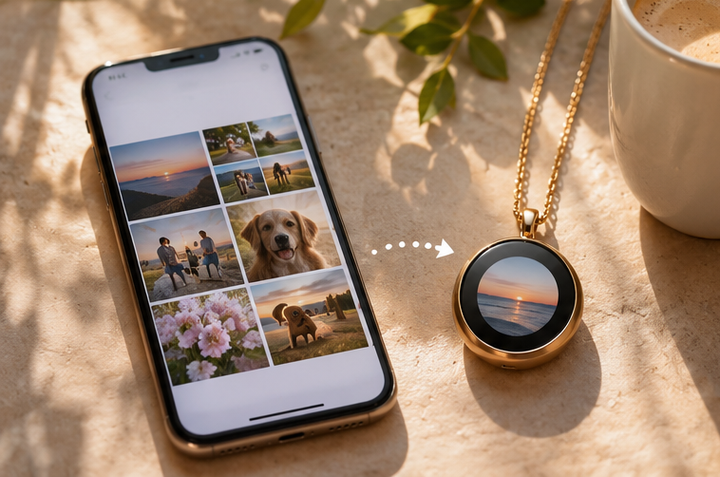
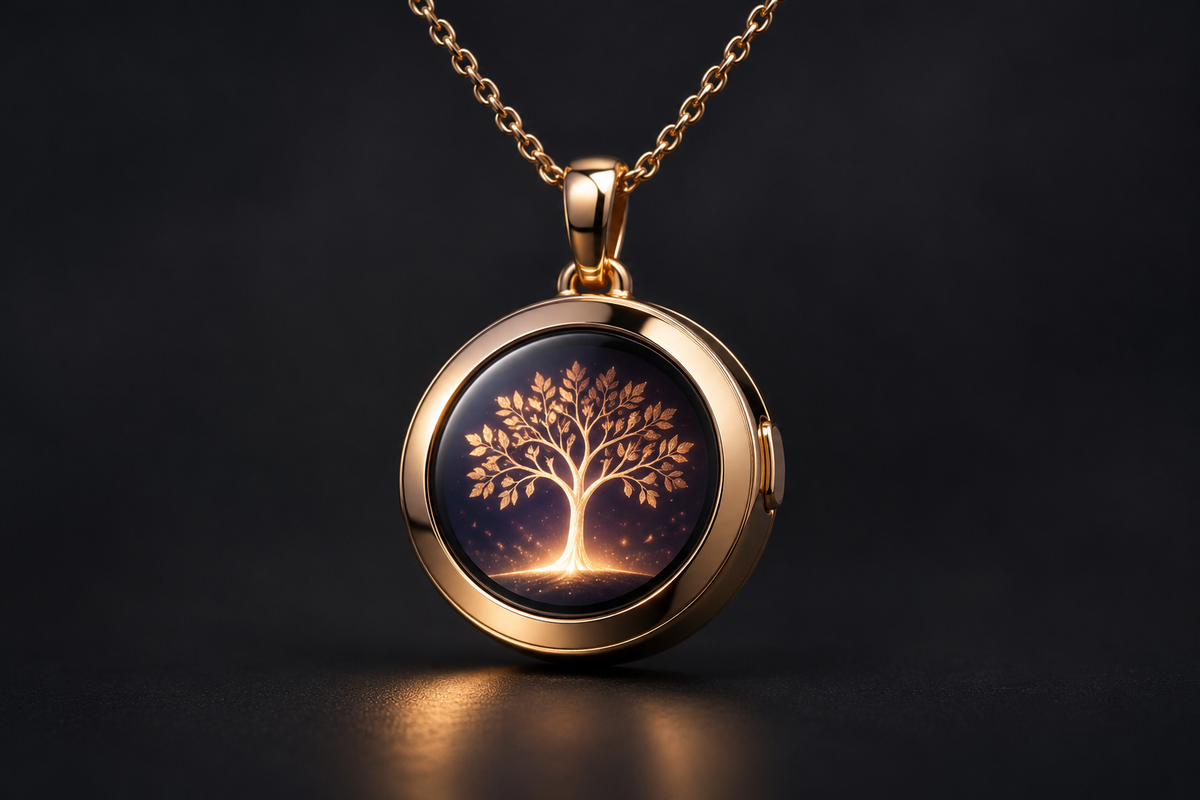
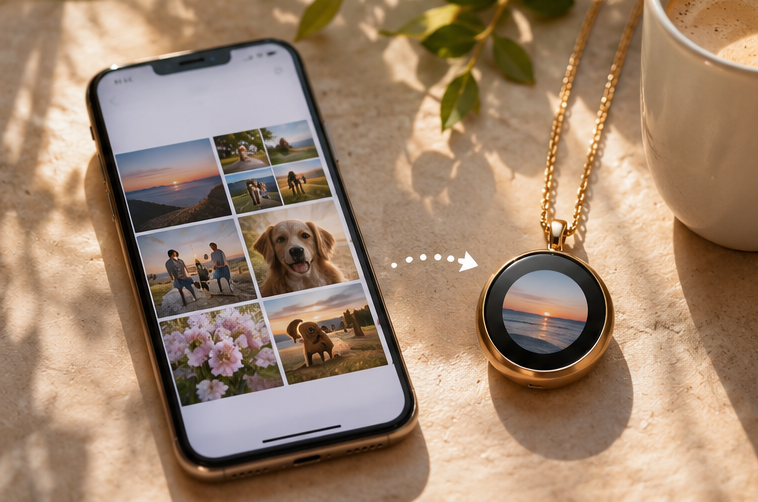
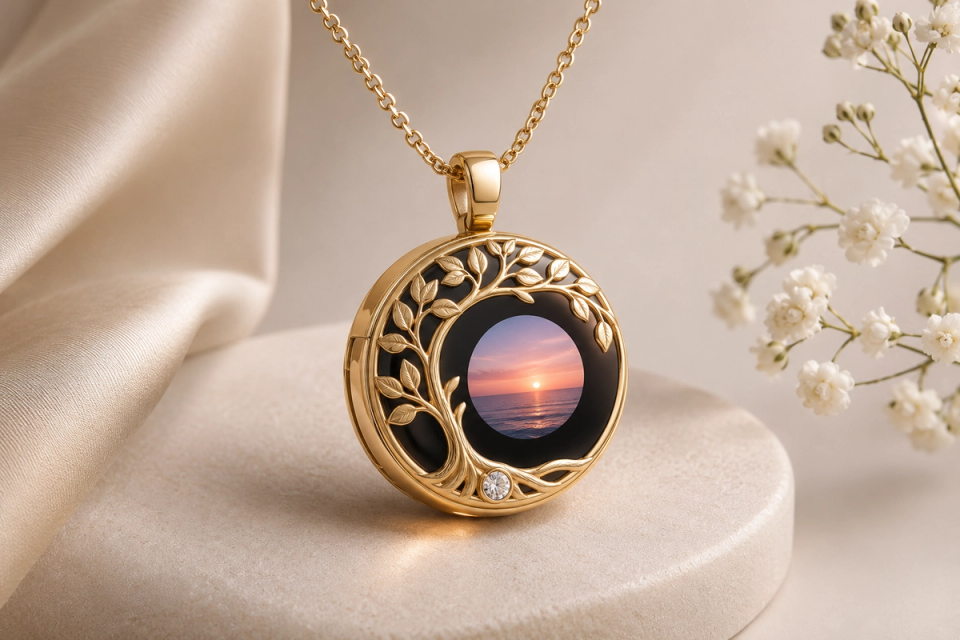
Use the official app or service instructions for the chosen device. Generate an example using a low-stakes image before spending an included allowance on several valuable family photographs. Check the eyes, mouth, facial proportions and background throughout the resulting sequence. If something feels wrong, reject the output rather than hoping it will look better on the smaller pendant display. Totwoo describes a limited number of included AI creations for the Tree of Life locket; check the current allowance and any extra cost before experimenting extensively. Replaying a completed clip is a separate matter from generating a new one.
Think about processing and retention
A product's claim that saved media resides on the wearable does not establish that the generation stage takes place there. AI processing may involve transmitting the input to a remote service. Review the applicable privacy notice and check what happens to original images and generated output. Do not upload sensitive images merely to test whether an effect works. The Smart Locket Privacy and Personal Photo Security provides further questions to consider about local storage, account access and deleting media. Preserve an independent copy of the original and the approved animation if the service allows exporting it.
When a still image is the better choice
A recognisable portrait can be a powerful memory without any movement. A slideshow of genuine photographs may tell a richer story than one generated expression. If you have actual footage of a familiar gesture, use that instead of asking software to reconstruct it. For a memorial gift, the Smart Memorial Lockets for Remembering Loved Ones considers the emotional choice in more detail. A digital locket is useful because it offers options, not because one type of memory is automatically superior to the others. If a real pulse recording is the memory you want to preserve, see our Bond Heart memorial keepsake guide instead of generating an imitation.
Frequently asked questions
Is an AI animation an actual video of the person?
No. It contains synthetic movement inferred from the source image.
Can I keep using ordinary photos instead?
Yes, where the model supports still images; animation is optional.
Sources
Smart Lockets Library
Complete guide
Main guides
- Totwoo Tree of Life AI Smart Locket: Features, Benefits and Limitations
- How Smart Lockets Work: Photos, Videos and AI Memories
- Smart Lockets as Meaningful Personalised Gifts
- Smart Locket Setup, Maintenance and Troubleshooting
Supporting guides
- Smart Lockets vs Traditional Photo Lockets
- Totwoo Smart Locket: Gold vs Silver
- Digital Photo Lockets vs Heartbeat Necklaces
- How to Upload Photos and Videos to a Smart Locket
- Do Smart Lockets Work Without Internet?
- Smart Locket Privacy and Personal Photo Security
- Smart Lockets for Long-Distance Relationships
- Smart Lockets for Mothers and Grandmothers
- Smart Memorial Lockets for Remembering Loved Ones
- Smart Lockets for Remembering Pets
- Smart Locket Battery Life and Charging Guide
- Smart Locket Not Connecting: Bluetooth and App Troubleshooting
- Are Smart Lockets Waterproof? Everyday Care and Protection