Touch Bracelets for Parents and Children
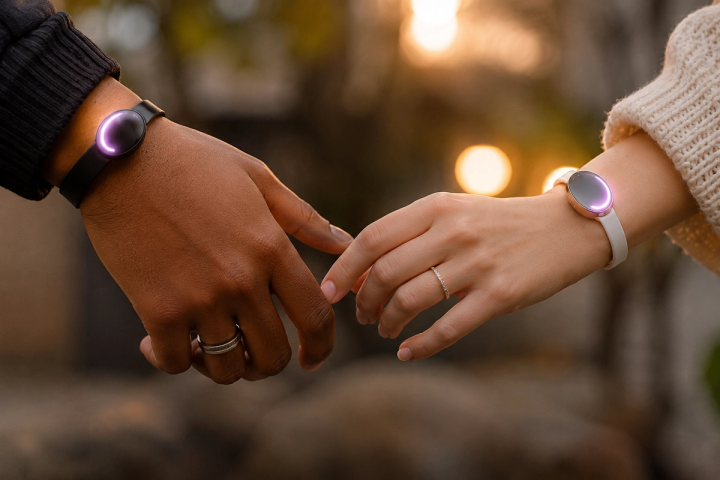
For an adult child, connected jewellery can be a voluntary affectionate signal. For minors, check age, account and safety requirements; never use the bracelet as an emergency alert.
A touch bracelet is an optional communication accessory, not a child safety device or a substitute for appropriate supervision.
Distinguish adult children from younger children
A parent buying a bracelet for an adult child living independently faces different decisions from a parent considering one for a younger child. Adults can choose whether to wear a connected accessory, manage their own account and set their own contact preferences. A younger child may not have a supported phone, may not meet the service's minimum age requirements or may need help understanding the app and its permissions. Do not assume the same device is suitable for both situations.
Our family buying guide provides a general framework for matching connected jewellery to a household. In a parent-child relationship, first identify the intended use: an affectionate greeting during an ordinary day, rather than supervision or tracking. For a minor, consult the manufacturer's current age and account rules, the child's ability to use the device safely, and any relevant school or activity policies before making a purchase.
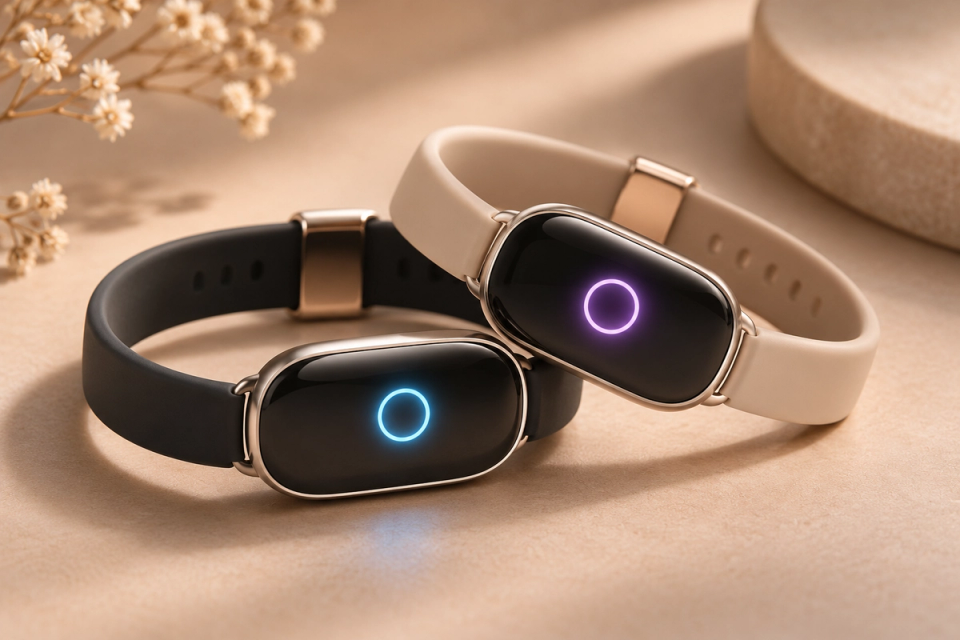
Do not confuse a touch with a safety alert
A touch can fail to arrive for ordinary reasons. The phone may be off, Bluetooth may be unavailable, the battery may be depleted, or the app may have lost its connection. These possibilities make consumer touch jewellery unsuitable as a means of confirming that a child arrived safely, checking on a vulnerable person, or summoning emergency assistance. A bracelet should never replace an established safety plan or direct communication when it is needed.
If the family has a practical need to share arrival updates, decide on a separate reliable method appropriate to the age and circumstances. A connected jewellery signal can remain a purely optional sign of affection. Explain that not receiving a vibration does not necessarily mean anything has happened. If there is a genuine concern, use the normal agreed contact method rather than sending repeated touches and waiting for a response.
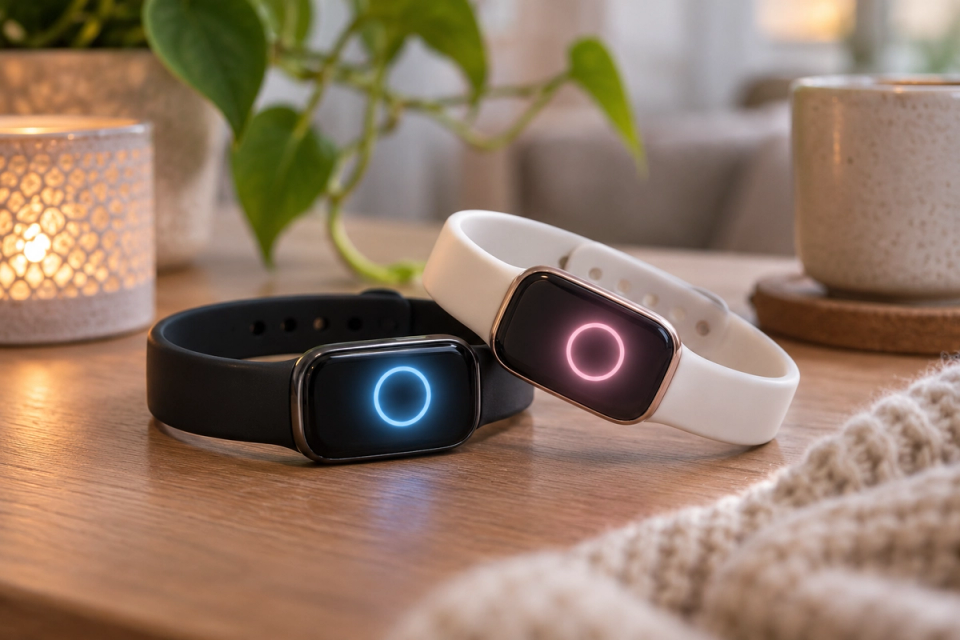
Select the simplest appropriate arrangement
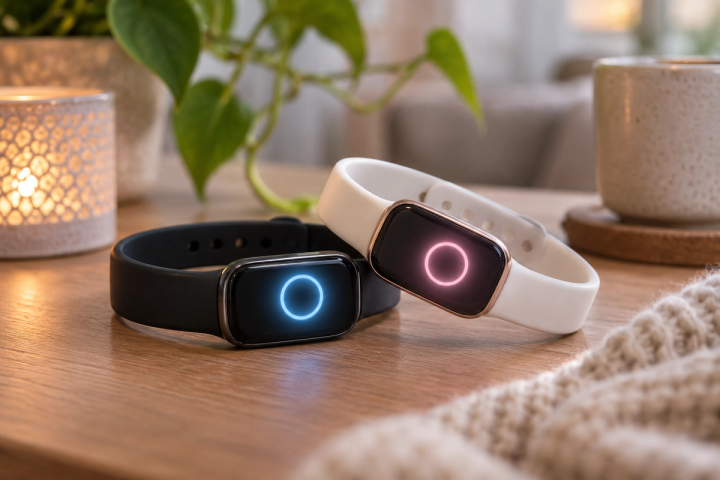
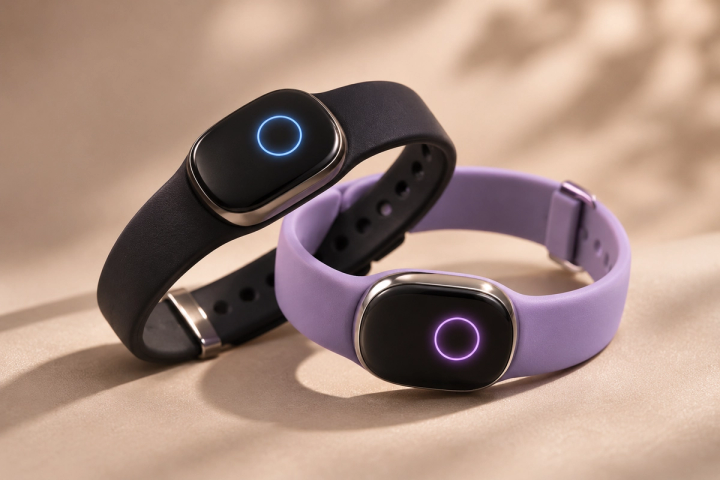
For a parent and an adult child who both want one private connection, a compatible pair may be sufficient. Where a parent wants to connect with several adult children separately, Bond Touch 4's documented multiple-contact support is relevant. Check the capacity and compatibility of each participant's model rather than assuming an older bracelet can accept all the same connections as a newer one. A two-person Totwoo arrangement may suit a single relationship if both wearers like its design.
Consider whether the intended wearer can comfortably wear, fasten, charge and manage the device without unreasonable effort. Do not guess at age suitability based on wrist size alone. An accessory small enough to fit a wrist does not establish that its account, battery, materials or electronics are appropriate for a child. Review the specific maker's documentation and choose ordinary jewellery or another alternative if any requirement is unclear.
Discuss privacy and permission
Connected wearables may offer features beyond sending a touch. Before enabling optional sharing, understand what information the service collects and who can see it. An adult child's willingness to receive a greeting is not agreement to share location or other personal information. For minors, follow applicable parental consent requirements and age restrictions; use age-appropriate explanations and avoid introducing a monitoring arrangement disguised as a sentimental gift.
Agree on when the device can be removed and what happens if someone no longer wants to participate. School, sports, work and sleep may all make wearing jewellery impractical. Adults should use their own accounts and retain control over the connections they accept. Avoid sharing passwords or setting up an adult child's account without their agreement. A shared accessory should respect the independence of the person receiving it.
Before considering a wearable for anyone without a phone, read our phone requirements guide. For context on adult use rather than child suitability, see the Bond Touch 4 review.
Keep ordinary family contact in place
For families separated by work, study or a move, a small touch might be a pleasant way to show support when a call is inconvenient. Choose a meaning that requires no immediate reply, such as wishing someone luck. Test the device while both people are available, and talk about what is convenient for each of you. If the experience feels intrusive, reduce or stop use.
Maintain familiar communication habits outside the bracelet, including calls and practical messages. If a younger family member cannot use the service appropriately, a conventional matching bracelet, family photograph or handwritten note may serve the sentimental purpose without account or connectivity complications. The appropriate gift is the one that supports the relationship while respecting the child's safety, privacy and stage of development.
Frequently asked questions
Can a touch bracelet replace a child's safety tracker or emergency device?
No. It is not designed to guarantee an alert or confirm a person's safety.
Are all touch bracelets suitable for children?
No. Check age rules, product suitability, phone requirements and relevant supervision needs for the specific model.
Sources and further information
Touch Bracelets for Friends & Family Library
Complete guide
Main guides
- Best Touch Bracelets for Long-Distance Friends
- Best Touch Bracelets for Family Members
- Touch Bracelets for Multiple People: Groups and Connections
- Touch Bracelet Gifts for Friends and Family
Supporting guides
- Touch Bracelets for Best Friends
- Touch Bracelets for Friends Moving Away
- Touch Bracelets for Friends Living Abroad
- Touch Bracelets for Mothers and Daughters
- Touch Bracelets for Sisters and Siblings
- Touch Bracelets for Grandparents and Grandchildren
- Touch Bracelets for Three People
- Touch Bracelets for Four People
- How to Connect Multiple People with Bond Touch
- Can Totwoo Bracelets Connect Multiple People?
- Touch Bracelet Gifts for University Students Leaving Home
- Touch Bracelet Gifts for Military Families
- Touch Bracelets vs Traditional Friendship Bracelets