Touch Bracelet Gifts for Military Families
Only consider connected jewellery for permitted use. Duty restrictions, phone access and connectivity may make it unsuitable; ordinary keepsakes are alternatives.
Connected jewellery may be useful during permitted off-duty periods, but it cannot be relied upon during military service or deployment.
Start with permission and realistic expectations
A military family may spend long periods apart and have unpredictable opportunities to communicate. A touch bracelet can be appealing because the gesture does not require a long conversation, but its usefulness depends on whether the service member can carry and use the necessary wearable and smartphone. Rules may differ by assignment, location, organisation and duty. Ask the recipient to consult their applicable instructions before you purchase any connected device for that purpose.
Our friends and family gift guide discusses choosing an interactive present that fits the recipient's circumstances. In a military setting, a gift should never encourage someone to bypass restrictions or use a personal device in a prohibited environment. If the bracelet is not permitted, choose a different gift. Do not assume a commercial description of worldwide connectivity makes it appropriate for a particular duty location.
Understand what connectivity requires
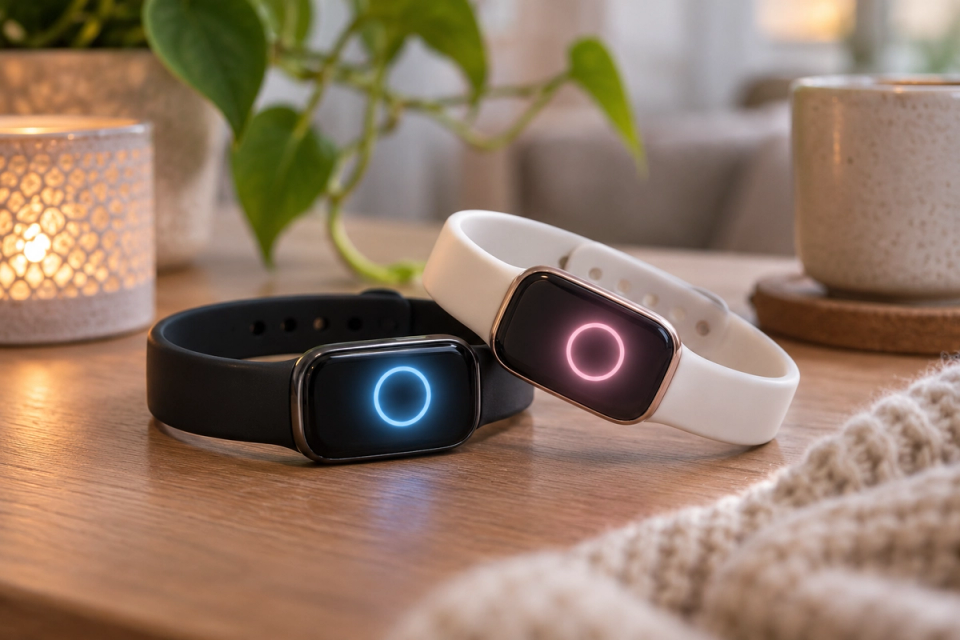
Most long-distance touch bracelets use a local connection to a supported phone and an internet service to send signals. A service member who has limited or intermittent phone access may not be able to receive the touch when it is sent. The phone might be unavailable for an extended period, the wearable might need to be removed, or the relevant application may not be allowed. These limitations are more important than an advertised geographic range.
A missed touch is not evidence that anything has happened to the wearer. Family members should use the established official or personal communication channels appropriate to their circumstances for important information. A connected bracelet is not an emergency alert or a method of checking the safety of someone on duty. Avoid assigning a signal meaning such as confirming safe arrival if you cannot rely on its delivery or acknowledgement.
Choose the connection arrangement
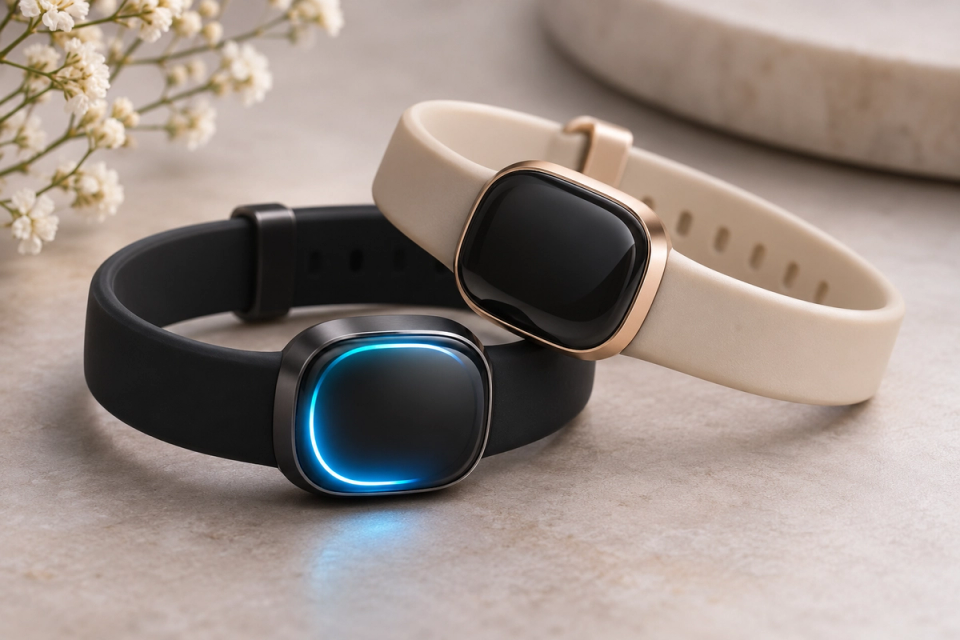
Where the wearable is permitted and the service member genuinely wants one, decide which relationships would benefit. A private connection with one family member may be enough, while someone with several relatives might want separate individual contacts. Bond Touch 4's documented capacity for three other contacts is relevant to the latter situation. Confirm the exact model and available contact slots for everyone involved.
Totwoo's documented two-person paired products may fit a single private connection if both wearers like jewellery-style designs. Do not expect several matching pairs to behave as a shared family network. Check what each package contains and whether the recipient will have a suitable phone and charging arrangement. Consider the possibility that the device may only be useful during leave or other approved periods, and make the purchase decision on that basis.
Keep privacy separate from affection
Some connected apps offer features beyond touch signals, such as additional personal data sharing. Review the current privacy documentation and applicable rules before using any connected service. A willingness to receive an affectionate vibration is not consent to share location or other personal information. Do not enable optional features on someone else's behalf, and do not seek to use a wearable to infer a person's whereabouts or activities.
Agree that communication may be interrupted for reasons outside either person's control. A family can send occasional non-urgent greetings during times when ordinary contact is permitted, without treating a lack of response as a problem. Keep the established communication plan unchanged. If the wearable becomes inconvenient or unsuitable, discontinue it rather than attempting to find ways around the recipient's obligations or restrictions.
For the technical reasons a signal is not guaranteed, read our internet requirements guide. For non-connected alternatives originally discussed for couples, see the long-distance gift guide.
Consider non-connected gifts
A traditional bracelet, an engraved keepsake, a photograph or a collection of letters may offer a more dependable sentimental reminder when electronic devices are impractical. Check applicable rules for any item the recipient intends to carry. A non-connected gift has no app or charging requirement and does not create an expectation of immediate contact, which may be particularly useful when schedules are uncertain.
If the recipient wants connected jewellery specifically for approved off-duty use, set it up and test it together when possible. Keep charging accessories and support information accessible, and agree on a simple non-urgent meaning for a touch. There is no need to establish a daily target. The most thoughtful gift is one that acknowledges the reality of the separation, respects the recipient's responsibilities and remains meaningful even when communication is unavailable.
Frequently asked questions
Will touch bracelets work during deployment?
Do not assume so. Use depends on applicable rules, permitted device and phone access, internet availability and the exact model.
Can a touch bracelet replace official family communication arrangements?
No. Keep the established approved channels for important information and safety-related contact.
Sources and further information
Touch Bracelets for Friends & Family Library
Complete guide
Main guides
- Best Touch Bracelets for Long-Distance Friends
- Best Touch Bracelets for Family Members
- Touch Bracelets for Multiple People: Groups and Connections
- Touch Bracelet Gifts for Friends and Family
Supporting guides
- Touch Bracelets for Best Friends
- Touch Bracelets for Friends Moving Away
- Touch Bracelets for Friends Living Abroad
- Touch Bracelets for Mothers and Daughters
- Touch Bracelets for Parents and Children
- Touch Bracelets for Sisters and Siblings
- Touch Bracelets for Grandparents and Grandchildren
- Touch Bracelets for Three People
- Touch Bracelets for Four People
- How to Connect Multiple People with Bond Touch
- Can Totwoo Bracelets Connect Multiple People?
- Touch Bracelet Gifts for University Students Leaving Home
- Touch Bracelets vs Traditional Friendship Bracelets